
Views: 0 Author: Site Editor Publish Time: 2026-06-09 Origin: Site


Upgrading from manual hand planes or tethered corded models fundamentally shifts how professionals handle on-site material sizing and workshop finishing. A modern cordless electric planer delivers uncompromising freedom alongside robust cutting performance. Cordless models offer unmatched mobility when trimming hanging doors or chamfering heavy deck posts. However, buyers frequently face decision friction before upgrading. They worry about limited battery runtime, sudden motor stall risks on dense hardwoods, and overall long-term durability under harsh conditions.
We provide a strict, evidence-based evaluation framework below. This guide helps woodworkers, carpenters, and job site contractors select a highly capable portable hand planer. You will discover how to align tool specifications directly to your unique daily workflow. We also cover matching new tools seamlessly to your existing battery platform while staying well within your target budget.
The industry standard for portable models is a 3-1/4 inch cutting width; the decision hinges on motor type (brushless), blade material (Carbide vs. HSS), and depth-adjustment accuracy.
A 20V planer (or 18V equivalent) with a brushless motor provides the necessary RPMs to match corded performance without mid-cut power drops.
Application dictates the tool: precise workshop joinery requires rigid fences and micro-adjustments, while job site framing prioritizes durable kickstands and dual-side dust extraction.
Modern battery-powered planers bridge a crucial mechanical gap. They sit squarely between heavy benchtop machinery and traditional manual hand tools. You gain significant operational speed over manual pushing while avoiding the tedious process of hauling heavy lumber through a stationary machine. Manufacturers have finally optimized battery technology to deliver sustained torque. This optimization eliminates the historic performance gap between tethered tools and battery-operated alternatives.
Job sites consistently pose unique navigational challenges. Eliminating trip hazards makes unfinished construction sites much safer. You no longer need long extension cords dragging across uneven floors or tangling around sawhorses. Operators can easily carry battery-operated units up steep ladders or unstable scaffolding. They perform quick material sizing anywhere on the site, saving dozens of trips back and forth to a central power station.
Inside the shop, workshop realities often demand similar spatial flexibility. A cordless woodworking planer proves ideal for quick edge-jointing tasks. It handles tapering and rabbeting flawlessly. Moving a massive, heavy workpiece across the room to a stationary benchtop machine wastes valuable production time. Bringing a highly portable tool directly to the clamped workpiece greatly improves your hourly efficiency.
We must, however, acknowledge a transparent limitation. These battery-powered tools do not entirely replace heavy-duty stationary equipment. Continuous, high-volume surface planing of rough-sawn hardwood lumber requires unlimited runtime and massive motors. Corded or benchtop units remain the primary choice for those specific heavy-duty, high-friction demands. You should view battery-powered models as specialized instruments for trimming, fitting, and sizing rather than bulk material removal machines.
Motor efficiency dictates your final cut quality. High rotational speeds are strictly non-negotiable for professional results. Blades must spin at 14,000 RPM or higher. High RPMs guarantee a smooth, tear-out-free finish across difficult wood grains. They prevent ugly chatter marks from forming along the timber edge. We strongly advise selecting brushless motors over older brushed designs. Brushless models maintain consistent RPMs under heavy friction. This technology also maximizes battery life and significantly reduces internal heat buildup during prolonged use.
Blade systems greatly impact your cutting experience and maintenance schedule. Two primary materials dominate the market. You must choose based on your daily material handling.
Blade Material Comparison: HSS vs. Tungsten Carbide | |||
Blade Material | Primary Advantages | Best Applications | Limitations |
|---|---|---|---|
High-Speed Steel (HSS) | Cost-effective; operators can resharpen them manually using whetstones. | Softwoods like pine, cedar, spruce, and fir. | Dulls rapidly on hardwoods; requires frequent downtime for honing. |
Tungsten Carbide | Highly durable, double-edged, and easily reversible when dull. | Hardwoods, engineered woods, MDF, and painted timber. | Higher initial cost; brittle upon impact; cannot be easily resharpened. |
Depth adjustment precision separates average tools from professional-grade equipment. Look closely for ratcheting depth knobs. You want clear micro-click detents engineered into the dial. These detents eliminate guesswork entirely. They prevent accidental over-cutting during delicate final passes. A reliable dial securely locks the front shoe into place, ensuring the depth setting never drifts due to heavy tool vibration.
Ergonomics and base design play vital roles in tool control. Machined aluminum shoes provide absolute base flatness. Absolute flatness ensures the tool glides evenly across the timber without rocking. Furthermore, evaluate the tool for an integrated "kickstand". This small, spring-loaded foot drops down automatically from the rear shoe. It elevates the tool slightly. This simple mechanism protects both your sharp blades and your expensive workpiece when you set the tool down mid-task.
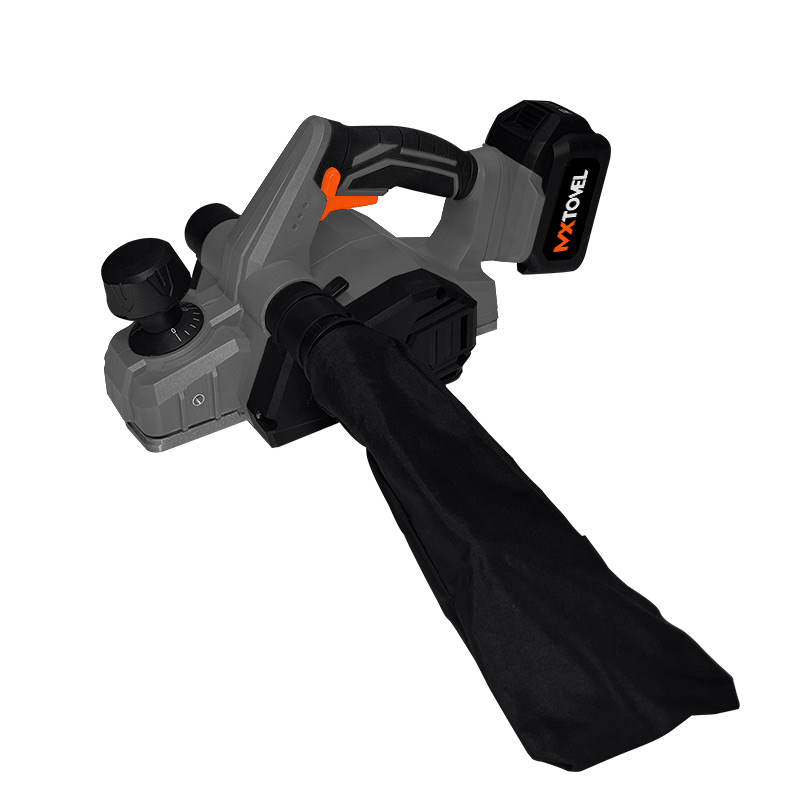
Application dictates optimal tool design. You should directly match specific mechanical features to your most frequent daily woodworking tasks. Buying a fully loaded model wastes money if your daily workflow only requires basic trimming.
Fitting Doors and Windows: Professionals constantly shave swollen wood to fix sticking doors. We recommend models featuring precise edge-guide fences. These fences keep the tool perfectly square to the door face. Micro-depth settings allow you to remove mere fractions of an inch per pass. This incremental approach preserves the door's structural integrity while achieving a perfect jamb fit.
Decking and Outdoor Builds: Deck builders require specialized front shoes. Highlight models incorporating machined "V-grooves" directly into the aluminum base. These chamfering notches allow fast, highly consistent edge beveling on deck posts and structural boards. They seamlessly remove sharp corners, preventing future splintering on high-traffic outdoor surfaces.
Framing and Structural Leveling: Rough framing demands aggressive power over delicate finesse. Focus on maximum cutting depths per pass. Robust chip ejection systems quickly clear large, wet wood shavings. You can efficiently flatten warped wall studs or uneven floor joists before hanging drywall. Heavy drop durability matters immensely in these rough environments.
Custom Cabinetry & Joinery: Cabinet makers demand absolute precision for interlocking parts. Evaluate models specifically capable of precise rabbeting operations. You cut stepped notches by relying on adjustable side fences. Dedicated cut-depth limiters ensure you never exceed the required notch depth, preventing costly mistakes on expensive hardwood panels.
The 18V and 20V marketing terminology often confuses even veteran buyers. Let us clarify this frustrating ecosystem trap. Both 18V and 20V Max systems deliver identical working voltage under load. The "20V Max" label merely refers to the initial peak voltage upon pulling the trigger before the tool settles into its operational 18V state. We strongly advise purchasing a "bare tool" matching your existing battery ecosystem. A 20V planer from your preferred manufacturer runs seamlessly on batteries you already own. You immediately avoid redundant charger and proprietary battery costs.
Pay close attention to Amp-Hour (Ah) requirements. Heavy planing demands immense electrical energy. We recommend minimum battery capacities between 4.0Ah and 5.0Ah. This specific range brilliantly balances the tool's physical weight against acceptable runtime. Smaller 2.0Ah batteries will drain within minutes under heavy load. Conversely, massive 8.0Ah batteries make the tool overly heavy and unbalanced for vertical door trimming. High-capacity batteries also prevent dangerous voltage sag during deep, aggressive cuts into knotty lumber.
Dust and chip extraction capabilities require careful evaluation before purchase. Plunging blades generate massive volumes of wood chips in seconds. Dual-directional chip exhaust switches are critical. They let you eject shavings to either the left or right side simply by flipping a mechanical toggle. This directional control proves invaluable when working inside tight corners or alongside walls. Furthermore, verify hose compatibility regarding HEPA job site vacuums versus standard cloth dust bags. Vacuums actively capture hazardous fine dust, whereas passive bags only catch larger airborne wood chips.
Different operators require vastly different configurations. We have organized the shortlisting logic below to simplify your decision. Find your professional profile and align your purchase accordingly.
For the DIY Hobbyist & Small Shop: Your main focus is overall budget value. A basic 3-1/4 inch cutting width handles most domestic tasks perfectly. Ensure compatibility regarding your existing home-use battery brands. You can easily accept minor compromises here. Brushed motors and standard HSS blades work fine if your usage remains infrequent or focuses primarily on soft pine boards.
For the Finish Carpenter: Your daily work requires absolute perfection. Focus your budget on absolute base flatness and premium carbide blades. Exact micro-adjustments and reliable edge guides guarantee tight, seamless joinery. Your strict non-negotiables include a brushless motor and soft-start technology. Soft-start circuitry prevents the tool from violently jerking in your hands upon startup, protecting delicate workpieces from accidental gouging.
For the Rough Framer / General Contractor: Job sites punish equipment daily. Focus heavily on impact drop durability. You need an aggressive maximum cut depth to level bad framing quickly. High-capacity battery compatibility and clog-free chip ejection systems keep you moving fast. Micro-precision matters less than raw material removal speed and robust tool housing.
Profile-Based Planer Selection Guide | |||
User Profile | Primary Focus Areas | Acceptable Compromises | Non-Negotiable Features |
|---|---|---|---|
DIY Hobbyist & Small Shop | Overall value, standard 3-1/4" width, existing battery compatibility. | Brushed motors, standard HSS blades. | Reliable depth adjustment dial. |
Finish Carpenter | Base flatness, micro-adjustments, exact edge guides. | Shorter runtimes (prioritizing lighter tool weight). | Brushless motor, soft-start, Carbide blades. |
Rough Framer / Contractor | Drop durability, aggressive cut depth, rapid chip ejection. | Micro-precision, heavier tool weight. | High-capacity (5.0Ah+) compatibility, integrated kickstand. |
An electric planer is strictly only as good as its blades and motor consistency. Going cordless introduces immense spatial flexibility across both cluttered workshops and dynamic job sites. However, this operational flexibility requires proper upfront investment. Users must invest in a high-efficiency brushless model. They must pair it alongside an adequate 4.0Ah or higher battery. Underpowered, brushed setups will ultimately frustrate you during critical tasks.
Take an actionable next step today. Audit your current battery platform inventory to determine your base ecosystem. Clearly define your most frequent cutting tasks. Trimming interior doors demands vastly different specs than aggressively leveling rough floor joists. Finally, explicitly select a reliable unit carrying dual-exhaust ports and a sturdy built-in kickstand. These seemingly small features dramatically improve your daily productivity, safety, and workpiece protection over the tool's lifespan.
A: 3-1/4 inches is the industry standard. This width is highly suitable for typical dimensional lumber and standard door edges. It provides an excellent balance between cutting coverage and tool maneuverability.
A: No. While it can successfully edge-joint using a proper fence, it lacks the long, stable infeed and outfeed tables. Stationary tables are strictly required for flattening heavily bowed boards over 3 feet long.
A: This is typically a technique issue. Users often fail to transfer downward pressure from the front shoe to the rear shoe as the cut finishes. Alternatively, you might be using dull blades.
A: Yes, especially for hardwoods or painted materials. Carbide blades last significantly longer. They are often double-edged and reversible, easily offsetting their higher initial purchase cost over time.


