
Views: 0 Author: Site Editor Publish Time: 2026-04-16 Origin: Site


Starting a lawn mower might seem simple, but many struggle with the process. Whether it’s gas or electric, each mower has unique starting procedures. In this article, we will explore the correct steps to start your lawn mower, troubleshoot common issues, and provide practical tips for ensuring smooth operation. You’ll learn how to maintain your mower for optimal performance, avoiding future starting problems.
The first step in starting your lawn mower is to identify its type. The starting process can vary significantly between push and riding lawn mowers.
● Push Lawn Mower: Typically lighter and smaller, push mowers are usually easier to start and maintain. Most require manual recoil starting, which is a simple process but requires some technique.
● Riding Lawn Mower: These are more complex machines that may involve a key start or even a digital ignition system. Their larger engines require more preparation. For example, ensure the brake is engaged and the throttle is in the right position before starting.
The type of lawn mower you have — whether it’s gas-powered or electric — will determine the startup procedure.
● Gas Lawn Mower: Requires fuel and oil checks before starting. Priming the engine, adjusting the choke, and pulling the starter cord are typical steps in the process.
● Electric Lawn Mower: Easier to start, typically involving pressing a button or turning a key. Ensure that the battery is fully charged, or the mower is properly connected to the power source if it’s corded.
Lawn mowers come with different starter mechanisms. Here are the most common ones:
● Recoil Start: This is the traditional pull-start mechanism found in most gas lawn mowers. It involves pulling the starter cord to start the engine.
● Electric Start: Some gas-powered mowers come with an electric starter. This type of mower allows you to start the machine by pressing a button or turning a key, making the process more convenient.
● Key Start: This system is typically found on riding lawn mowers, where you need to insert a key and turn it to start the engine.
The starting procedure differs for each type of lawn mower due to variations in engine design, fuel systems, and ignition methods. It's essential to consult the owner’s manual for your specific mower model to ensure that you're following the correct startup steps for your machine.
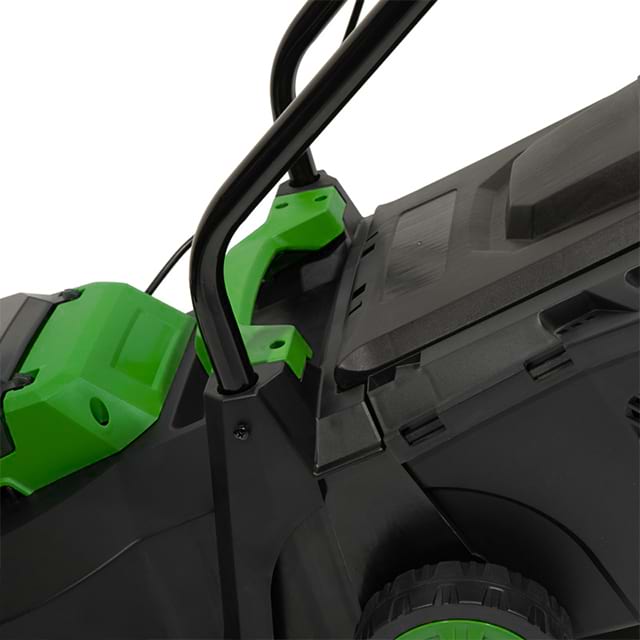
Before attempting to start your lawn mower, it’s essential to perform several pre-start checks. These checks will help ensure that your mower runs smoothly and efficiently and that no damage is done to the machine.
Pre-Start Check | What to Do | Why It’s Important |
Fuel Level | Check the fuel level and freshness | Stale fuel can cause starting problems. |
Oil Level | Verify oil level and condition | Low or dirty oil can cause engine damage. |
Air Filter | Inspect and clean or replace air filter | Clogged air filter reduces engine performance. |
Spark Plug | Check and clean the spark plug | A faulty spark plug prevents ignition. |
Blade Area | Ensure the blade and deck area are clear of debris | Clear blade area ensures safe operation. |
Tip:Maintaining the oil and fuel levels within optimal ranges helps prevent engine wear and starting failures, saving you from costly repairs.
This section will provide a detailed, step-by-step guide for starting a gas lawn mower. These general instructions will work for most gas-powered mowers, although some steps may vary slightly based on the specific model.
Priming the engine involves pressing the primer bulb several times (usually 3 to 5). This step ensures that fuel reaches the engine for proper ignition, especially in cold weather conditions.
When starting a cold gas mower, you will need to engage the choke. This restricts airflow, making it easier for the engine to start. Once the mower is running, you can adjust or disengage the choke, allowing the engine to run at full power.
When pulling the recoil starter, stand with your feet shoulder-width apart for balance. Grab the starter handle firmly with one hand and pull it sharply and steadily. Avoid jerking the rope too harshly, as this can damage the starter cord.
If your lawn mower fails to start after several pulls, check the fuel level, spark plug, and oil levels. A clogged carburetor or dirty air filter could also be the culprit. You might need to clean or replace the air filter and spark plug to fix the issue.
When starting a warm lawn mower, the choke should be in the off or low position. Engaging the choke when the engine is already warm can cause it to flood, making it harder to restart.
● Always ensure that the area around your mower is clear of children, pets, and obstacles before starting.
● Keep hands and feet away from the blade, especially during the startup process.
● Never attempt to start the mower while standing directly in front of the engine, as it can cause injury.
Electric lawn mowers are becoming increasingly popular due to their simplicity and ease of maintenance. Here are the steps to start an electric lawn mower.
For corded models, plug the mower into an outdoor extension cord and ensure the cord is secure and clear of obstacles. Engage the safety switch and pull or press the start button to begin operation. Always ensure the cord is not caught under the mower’s wheels or blade.
For battery-powered models, ensure the battery is fully charged before starting. Insert the battery into the mower’s compartment and press the start button or turn the key to begin operation. If your mower has a safety switch, make sure to engage it before attempting to start.
● Battery not charged: Always check the charge level of your battery before starting.
● Safety switch issues: Ensure the safety switch is engaged before attempting to start the mower.
● Extension cord management: When using a corded electric mower, be mindful of the cord and ensure it is not tangled or obstructing the mower’s path.
If your electric lawn mower fails to start, check the battery charge and ensure the cord is plugged in correctly. If the mower is still unresponsive, inspect the safety switch or internal connections for faults.
Lawn mower starting issues are common, but many can be fixed with a bit of troubleshooting. Below are some common problems and their solutions.
Problem | Solution | Why It Happens |
Engine Turns Over But Won’t Start | Check fuel and spark plug condition | Fuel may be stale or spark plug may be faulty. |
Pull Cord Won’t Retract | Inspect recoil system for debris | Dirt or debris can block the recoil system. |
Mower Stalls After Starting | Clean carburetor, check choke position | Carburetor may be clogged or choke engaged improperly. |
Flooded Engine | Let mower air out and retry without choke | Choke left on too long can flood the engine. |
Tip:Regular cleaning of the carburetor and spark plug can prevent most starting problems, ensuring smoother operation throughout the season.
The quality of your lawn mower’s design plays a major role in how easily it starts. Here are some key design features that contribute to smoother startup performance.
Lawn mowers with high-quality engines and starter systems are designed for easy, reliable starts. Look for brands that prioritize durable engine components and smooth recoil systems.
The materials used in lawn mower parts, such as the starter rope and housing, play a crucial role in performance. High-strength materials reduce wear and tear, ensuring that the mower starts smoothly for years.
Precise manufacturing ensures that all parts fit together perfectly, leading to smoother starts and better overall performance. Choosing a well-made mower can reduce issues related to starting over time.
Nanjing Metalwell Machinery Equipment Co., Ltd. specializes in the design and manufacturing of machinery components for lawn mowers. Our precision-engineered parts ensure reliable performance, helping to reduce starting issues. We support clients in producing high-quality, durable mowers for both commercial and residential use.
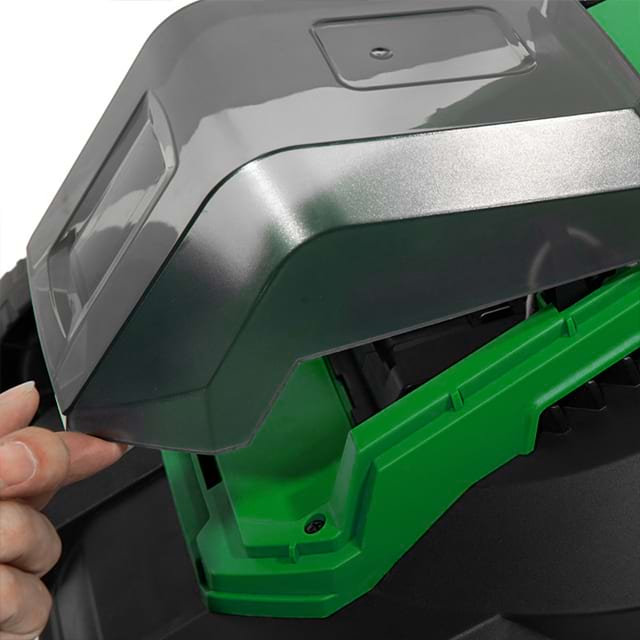
Proper maintenance and care can make starting your lawn mower easier and ensure that it operates efficiently for years.
Maintenance Tip | Action Needed | Frequency of Action |
Oil Change | Change oil when dirty or low | Every 25-50 hours of operation |
Fuel System Care | Drain stale fuel or add stabilizer | At the end of every season |
Spark Plug Maintenance | Clean or replace spark plugs | Every season or 100 hours |
Air Filter Cleaning | Clean or replace air filter | Every 25-50 hours of operation |
● Change the oil regularly and check fuel quality to prevent clogging.
● Clean or replace the air filter to ensure optimal airflow.
● Inspect and clean the spark plug to ensure a reliable spark.
● Always store your lawn mower in a cool, dry place during the off-season.
● Drain the fuel or add fuel stabilizer to prevent stale fuel buildup.
● Keep oil levels topped up and change it regularly.
If your lawn mower is experiencing persistent starting issues, it may be time for professional servicing. A certified technician can diagnose and fix deeper engine problems.
Using the correct starting procedure for your mower ensures the engine lasts longer and performs better over time. Follow the manufacturer’s guidelines for starting and warming up your mower.
In conclusion, knowing how to start your lawn mower properly is essential for smooth operation. We’ve covered the steps, common issues, and preventive maintenance tips. For those looking for high-quality machinery components, Nanjing Metalwell Machinery Equipment Co., Ltd. offers precision-engineered parts that help ensure reliable performance and longer mower life.
A: To start a gas lawn mower, ensure there’s fresh fuel, check the oil level, engage the choke, and pull the recoil starter cord until the engine starts.
A: If your lawn mower doesn’t start, check the fuel level, spark plug, air filter, and choke position. A clogged carburetor or dirty spark plug may also be the cause.
A: For an electric lawn mower, plug it into a power source (corded) or ensure the battery is charged (battery-powered), then press the start button or turn the key to begin.
A: If your lawn mower stalls, check the choke position, fuel system, and air filter. A clogged carburetor or improper choke setting may be causing the issue.
A: It’s recommended to change the oil in your lawn mower every 25-50 hours of operation or at the start of each season. Proper oil maintenance helps ensure smooth starting.


