
Views: 0 Author: Site Editor Publish Time: 2026-04-12 Origin: Site


Is your lawn mower failing to start? The issue could be a worn-out pull string. A broken string is a common problem, but fortunately, it’s easy to fix. In this article, we will guide you through the process of replacing the pull string on a lawn mower. You’ll learn how to gather the right tools, perform the replacement, and troubleshoot common issues. By the end, you’ll be ready to get your mower back in action, saving time and money.
Before diving into the replacement process, it’s helpful to understand the basic workings of the pull string system. This knowledge will allow you to troubleshoot potential problems in the future and take better care of your mower.
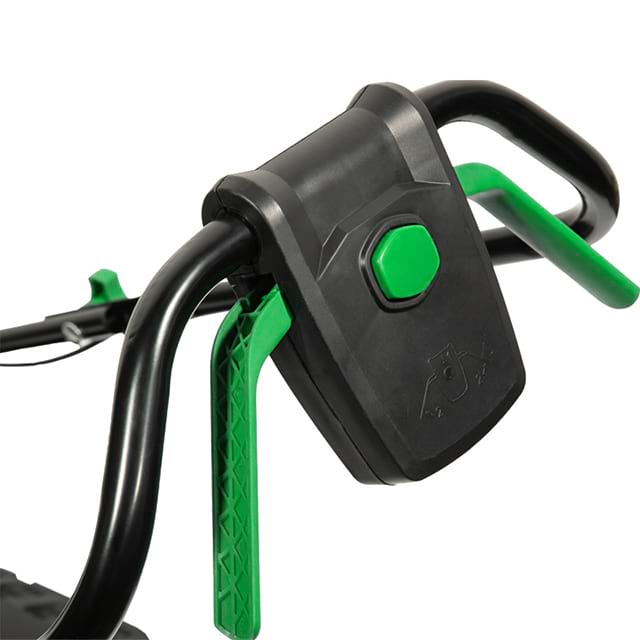
The pull string, also known as the recoil starter, plays a critical role in starting your lawn mower. When you pull the string, it engages the flywheel, which generates the spark necessary to ignite the engine. Without a functional pull string, the engine will not start, leaving your lawn mower inoperable.
Function | Explanation |
Engages the Flywheel | When you pull the string, it engages the flywheel, generating the spark needed to ignite the engine. |
Critical for Starting the Engine | Without a functional pull string, the engine won’t start, making your lawn mower inoperable. |
It may seem like a small and simple part, but the pull string is essential for starting the engine. If it breaks or becomes worn out, it’s crucial to replace it promptly to avoid delays and ensure your mower runs smoothly. A broken pull string is a common issue for lawn mower owners, but replacing it is straightforward.
There are different types of pull string mechanisms used in lawn mowers, depending on the model and brand. The two most common types are:
Type of Pull String System | Description |
Recoil Starter | The most common system where the string is wound around a spool and retracts automatically. |
Automatic Starter | These systems often use a battery and push-button to start the mower, with the pull string serving as a backup. |
Understanding the type of pull string system your mower uses will help you identify the correct replacement parts and avoid unnecessary complications during the replacement process.
Replacing a pull string requires only a few simple tools. Having everything ready before you begin will make the job faster and easier.
Here are the tools you’ll need for this repair:
Tool | Purpose |
Screwdrivers | Use flathead and Phillips screwdrivers to remove the screws holding the recoil starter. |
Replacement Pull String | Be sure to get a string that’s the correct length and thickness for your lawn mower. |
Pliers | To hold the string in place while you’re working. |
Utility Knife | For cutting the string to the proper length. |
Some lawn mowers may require additional tools, especially for models with more complicated recoil systems.
Tool | Purpose |
Socket Set | If the recoil starter is secured with nuts, a socket set may be required to remove them. |
Lubricating Oil | It’s a good idea to lubricate the recoil mechanism once the job is done to ensure smooth operation. |
These tools will ensure that you have everything necessary for a successful pull string replacement. Once you have the tools ready, you can move forward with the replacement process.
Now that you have the tools and materials ready, let’s get started on replacing the pull string. Follow these steps carefully to ensure you replace the string correctly and avoid any issues.
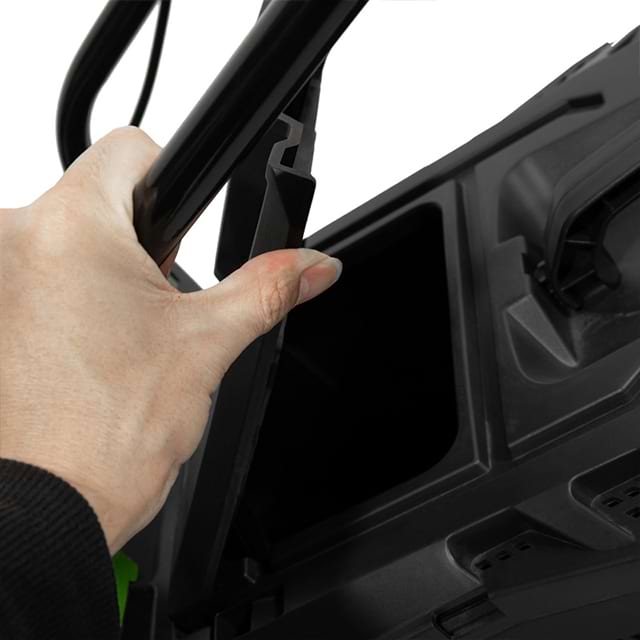
1. Turn off the mower: Ensure that your lawn mower is turned off, and disconnect the spark plug to prevent any accidental starts while you’re working.
2. Remove the recoil starter: Use a screwdriver to remove the screws holding the recoil starter housing in place. Be sure to keep track of the screws, as they are often small and can easily be lost.
3. Take the recoil assembly out: Once the screws are removed, gently take the recoil assembly out of the housing to expose the spring and the spool.
1. Remove the old string: If the pull string is broken, use a utility knife to cut the remaining string and remove it from the spool.
2. Install the new string: Measure and cut a new string to the appropriate length (usually around 6-10 feet depending on your lawn mower’s model). Feed the new string through the hole in the spool and wind it in the direction indicated by the arrows on the spool.
3. Tie a knot: After winding the string around the spool, tie a knot at the end of the string to secure it. Ensure the knot is tight enough so it won’t come loose when you pull it.
1. Wind the recoil starter: Wind the string around the spool, making sure it’s not too tight or too loose. You want the string to retract smoothly when pulled, so avoid over-tightening.
2. Reattach the recoil housing: Once the string is properly wound, place the recoil starter assembly back into position and secure it with screws.
3. Test the mechanism: Before fully reassembling the mower, pull the string a few times to check that it retracts smoothly and that the starter engages properly. If everything works as expected, move on to the next step.
Once you’ve reassembled the lawn mower, it’s time to test the new pull string. This is an important step to ensure that everything has been put back together correctly and that the new string is functioning properly.
After replacing the pull string, pull it firmly to see if the mower starts. If it doesn’t, here are some troubleshooting steps you can follow to resolve common issues:
If the string doesn't retract properly, it could be because the string was wound too tightly around the spool. Here’s what you can do:
● Solution: Loosen the string slightly by unwinding a little bit and then rewinding it more loosely. This will allow the string to retract properly and smoothly when you pull it.
If your mower doesn’t start after replacing the string, there may be a few reasons for this:
● Solution1: First, check the spark plug. If the spark plug is dirty, worn, or disconnected, it may prevent the mower from starting. Clean or replace the spark plug if needed.
● Solution2: Also, double-check the string. Ensure it is correctly wound on the spool and that the string is properly inserted in the recoil starter assembly. If the string is not winding or retracting as it should, the starter may not be functioning correctly.
After everything is reassembled and the pull string is correctly installed, pull the string firmly but steadily. If everything has been done correctly, the mower should start up without any difficulty.
● First Pull: The first pull may take a little extra force as the string settles in, but the mower should start on the second or third pull.
● Success: If the mower starts and runs smoothly, congratulations! You've successfully replaced the pull string.
Tip: If your mower starts up easily after replacing the pull string, it means you’ve done a great job! Regular maintenance, such as changing the pull string and cleaning the mower, will help maintain its performance and ensure smooth operation.
Maintaining the pull string system is crucial for preventing future issues and ensuring your lawn mower runs smoothly for years to come. Here are some essential tips to help you maintain your lawn mower’s pull string system effectively.
Inspecting the pull string regularly is important to catch early signs of wear and tear. If the string is frayed, stretched, or otherwise damaged, replacing it sooner rather than later can prevent major problems down the line.
Maintenance Tip:
Maintenance Tip | Action |
Inspect for Fraying | Check the string for any fraying or stretching and replace it immediately. |
Keep the String Tight | Ensure the string is neither too tight nor too loose. A tight string can wear out the recoil mechanism, while a loose string can prevent the mower from starting. |
● Inspect for Fraying: Regularly check the string for signs of fraying, especially at the end where it makes contact with the starter housing. If you notice any wear, replace the string immediately.
● String Tension: If the string is too tight, it can cause the recoil mechanism to wear out prematurely. On the other hand, if the string is too loose, it may prevent the mower from starting. The string should have just the right amount of tension to allow smooth retraction and easy pulling.
Proper lubrication is essential for the longevity of your lawn mower’s recoil mechanism. A well-lubricated recoil system will work more efficiently and reduce the risk of friction-related wear on the components.
Lubricating the Recoil Mechanism: After replacing the pull string, apply a small amount of lubricating oil to the moving parts inside the recoil housing. This will ensure smooth movement and help prevent rust.
Regular lubrication helps keep the recoil mechanism functioning properly and prevents the buildup of rust and corrosion. Apply oil every time you replace the pull string to maintain peak performance.
Lubricating the recoil mechanism periodically ensures that the internal components operate smoothly, extending the life of your mower and making the starting process easier.
Tip: Using high-quality lubricating oil designed for lawn mowers will improve the overall performance of the recoil starter, keeping it in optimal condition for longer.
Replacing a pull string on a lawn mower is simple yet essential. Regular maintenance ensures your mower works reliably. At Nanjing Metalwell Machinery Equipment Co., Ltd., we offer high-quality parts to support your lawn care needs. Our products provide durable solutions, extending the lifespan of your equipment.
A: If the string is fraying, snapping, or not retracting properly, it’s time for a replacement. A broken string will prevent your lawn mower from starting.
A: The length of the pull string depends on your lawn mower's model. Typically, it should be around 6-10 feet long. Always check the mower's specifications for the exact length.
A: This could be due to the string being too tightly wound. Loosen it slightly, and check for any tangles or obstructions inside the recoil starter.
A: Yes! Replacing the pull string on your lawn mower is a straightforward process. With the right tools, it’s something most people can do themselves.
A: The cost is minimal, with a replacement string typically costing between $5 and $15, depending on the mower model and brand.


