
Views: 0 Author: Site Editor Publish Time: 2026-02-19 Origin: Site


Cleaning your hedge trimmer blades is crucial for maintaining their performance. Did you know that neglecting this simple task can result in rust, reduced cutting ability, and even injuries? In this article, we will explore why keeping your hedge trimmer blades clean is important and guide you through the steps to do it properly. You will learn the best tools, solutions, and techniques to ensure your trimmer stays in top shape.
Rust is one of the most significant threats to hedge trimmer blades. If left uncleaned, moisture from dew, rain, or sap can quickly lead to rust buildup, causing the metal to deteriorate. Rust weakens the blade, making it less effective and more likely to break or chip. Regular cleaning helps remove any moisture and dirt that could contribute to rust, keeping your trimmer in top shape.
Additionally, if left unchecked, rust can spread, affecting other parts of your hedge trimmer, such as the motor or housing. By cleaning and drying your blades after each use, you ensure that moisture is removed, greatly reducing the likelihood of rust. Regularly cleaning your trimmer blades is a preventative measure that can save you from costly repairs or replacements due to rust.
Causes of Rust and Preventative Measures:
● Moisture from dew/rain: Causes rust buildup on the blades.
Prevention: Clean and dry blades after each use.
● Sap and plant residue: Traps moisture, accelerating rust formation.
Prevention: Wipe off sap and dirt after each trimming session.
● Lack of lubrication: Increases friction, promoting rust.
Prevention: Apply lubricant after cleaning.
Cause of Rust | Impact on Blades | Preventative Measure |
Moisture from dew/rain | Causes rust buildup on the blades. | Clean and dry blades after each use. |
Sap and plant residue | Traps moisture and accelerates rust formation. | Wipe off sap and dirt after each trimming session. |
Lack of lubrication | Increases friction, promoting rust. | Apply lubricant after cleaning. |
When sap, dirt, and other debris accumulate on your hedge trimmer blades, it can affect their cutting ability. Over time, a buildup of debris can clog the blades, causing them to work less efficiently. This results in a rougher cut, which can damage the plants you’re trimming, leaving them vulnerable to disease or pests.
A clean blade performs better because it maintains its sharpness, allowing the trimmer to cut through branches smoothly and evenly. By removing plant residue and cleaning the blades, you ensure that your hedge trimmer continues to provide clean, precise cuts, which is essential for both the aesthetics of your garden and the health of your plants.
● Debris buildup: Clogs the blades and reduces cutting efficiency.
● Rough cuts: Can damage plants and increase vulnerability to disease.
A clean trimmer ensures that you’re cutting branches with precision, which helps your plants recover faster and thrive.
The condition of your hedge trimmer blades directly impacts your safety while operating the tool. When the blades are dirty, they can become clogged or even slip, which increases the risk of the trimmer jamming. A jammed trimmer can be dangerous, leading to accidents or injuries.
Regularly cleaning your hedge trimmer ensures smooth operation. Clean blades work more efficiently and are less likely to cause unexpected issues. By taking care of your trimmer and performing regular maintenance, you reduce the chances of accidents and injuries while using the tool.
● Clogged blades: Can cause the trimmer to jam, increasing the risk of injury.
● Dirty blades: May slip or malfunction, leading to accidents.
Regular cleaning ensures smoother operation and reduces the likelihood of accidents or injury.
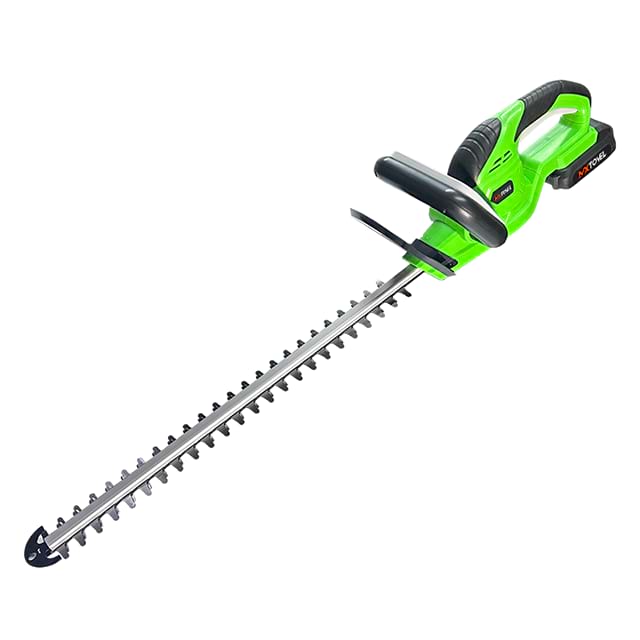
Before diving into cleaning your hedge trimmer blades, make sure you have all the necessary tools and materials ready. Having everything prepared will allow you to perform the task efficiently and safely.
Tool/Material | Purpose |
Cleaning brush | Removes dirt, leaves, and sap from the blades. |
Gloves | Protects your hands from sharp edges. |
Rag or cloth | Wipes down the blades after cleaning. |
Lubricant | Prevents rust and keeps blades operating smoothly. |
Screwdriver | Used if disassembling any parts for a deeper clean. |
Depending on the type of buildup on your blades, you may need a cleaning solution. Here are a few options that work well:
● Soapy water: A simple solution of mild dish soap and warm water is effective for light cleaning. It’s gentle on the blades and removes most dirt and debris.
● Mineral spirits: This solution is great for removing sticky sap and resin buildup that soap and water can’t handle. It’s particularly useful for deeper cleans.
● Specialized cleaners: There are commercial cleaners designed specifically for garden tools, which can be used to remove tough residues from your hedge trimmer blades.
Because hedge trimmer blades are sharp and the cleaning process can sometimes be messy, safety is paramount. Here’s what you should wear:
● Gloves: Protect your hands from sharp edges and debris while cleaning.
● Goggles: Prevent any cleaning solution or small particles from getting into your eyes.
● Long sleeves: If you’re working with stubborn cleaning solutions or dealing with harsh residues, covering your arms is a good safety measure.
Always wear protective gear to ensure safety during the cleaning process.
Now that you have all your tools ready, follow this step-by-step guide to clean your hedge trimmer blades thoroughly.
Safety comes first. Always make sure the hedge trimmer is turned off, and if it’s an electric or battery-powered model, disconnect the power source. This prevents accidental starts while cleaning.
Once you’ve ensured the trimmer is safe to handle, start by removing any visible debris or sap from the blades. Use a cleaning brush to scrub away dirt, leaves, and plant residue. For sticky sap, you can use a plastic scraper or an old toothbrush to get into hard-to-reach spots. Be gentle, as you don’t want to damage the blades.
For tougher residue, such as dried sap or resin, apply a cleaning solution like mineral spirits or soapy water. Let the solution sit for a few minutes to loosen the buildup. Then, use a brush to scrub the blades. For particularly stubborn gunk, use a scraper to gently lift the debris.
Avoid using abrasive materials or harsh chemicals, as they can scratch the blades or cause long-term damage.
Once the blades are free of debris, thoroughly dry them using a clean rag. Moisture left on the blades can lead to rust. After drying, apply a thin layer of lubricant. This prevents rust and keeps the blades running smoothly. Use a garden tool-specific lubricant for best results.
Lubricant Type | Usage |
WD-40 | Prevents rust and displaces moisture. |
Special Garden Tool Oil | Designed for tools to keep parts running smoothly. |
Motor Oil | Can be used in a pinch, but garden-specific oils are preferred. |
If you disassembled any parts of the hedge trimmer during the cleaning process, make sure everything is reassembled correctly. Reconnect the power source, and test the trimmer to ensure that it’s operating smoothly. Give the blades a quick run to check for any signs of obstruction or uneven cuts.
Tip: Test the trimmer on a small section of branches to ensure it’s working efficiently before using it on a full hedge.
Cleaning your hedge trimmer blades after every use is the best way to maintain their efficiency. Each time you finish trimming, wipe off the dirt, sap, and plant residue to prevent it from building up. A quick clean after each use ensures that the blades stay sharp and rust-free.
In addition to regular cleaning, it’s important to perform a deep clean periodically. After several uses, stubborn debris may accumulate that requires a more thorough cleaning. Deep cleaning also includes sharpening the blades and applying lubricant to keep them in peak condition.
At the beginning and end of each season, conduct a comprehensive maintenance check. This includes deep cleaning, checking for any rust or damage, and ensuring that the blades are sharp. Seasonal maintenance helps protect your hedge trimmer during the off-season when it’s not in use.
Schedule a seasonal maintenance check at the beginning and end of each trimming season to ensure your hedge trimmer remains in top shape year-round.
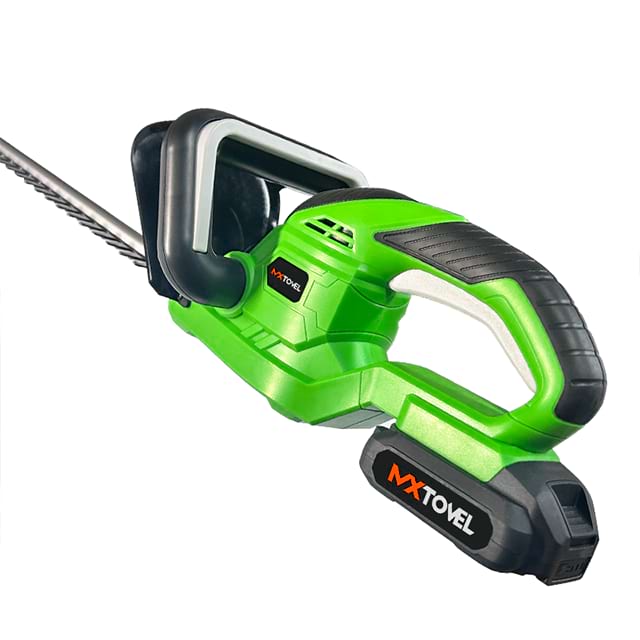
Lubrication is essential for preventing sap, resin, and dirt from sticking to your hedge trimmer blades. These substances can cause a sticky buildup that reduces performance and makes future cleaning more difficult. By applying a thin layer of lubricant after cleaning, you create a protective barrier that helps prevent this buildup and makes the cleaning process easier next time.
Lubricant Options and Their Benefits:
Lubricant Option | Benefits |
Oil-based lubricants | Offers long-lasting protection against rust, ensuring the blades stay in top condition for longer. |
Spray lubricants | Quick and easy application, ideal for regular maintenance to keep the blades running smoothly. |
Beeswax-based lubes | A natural, eco-friendly option that’s excellent for tool longevity and provides a smooth finish for blades. |
Using the right lubricant will not only prevent dirt and sap buildup but also prolong the life of your blades, ensuring that your hedge trimmer performs optimally with every use.
Sharpening your hedge trimmer blades is just as important as cleaning them. Dull blades can lead to uneven cuts, jagged edges, and damage to plants. By regularly sharpening the blades, you ensure they remain sharp and capable of making clean cuts with minimal effort.
● Follow the manufacturer's instructions for sharpening the blades.
● Hand-sharpening using sharpening stones or a sharpening tool will help maintain a precise cutting edge.
● If you're unsure how to sharpen your blades, consider taking them to a professional to ensure they are properly maintained.
Keeping your blades sharp improves trimming efficiency and helps avoid plant damage.
Proper storage of your hedge trimmer is essential to its longevity. Exposure to moisture, temperature fluctuations, or hard surfaces can cause rust or other forms of damage. Store your trimmer in a dry, cool place to keep it in peak condition.
Best Storage Practices:
Storage Tips | Benefits |
Store in a dry, cool place | Prevents moisture from causing rust or corrosion. |
Use a protective cover for the blades | Keeps blades from getting nicked or dulled. |
Avoid outdoor storage | Protects the trimmer from rain or harsh conditions. |
Store in a garage or storage shed | Shields the trimmer from extreme temperatures and damage. |
Keep your hedge trimmer stored in a dry, secure place during the off-season to prevent rust and maintain its performance.
By following these simple maintenance steps, your hedge trimmer will remain in excellent condition, ensuring it works effectively for years. Regular lubrication, sharpening, and proper storage will help extend the life of your trimmer and make each trimming session easier and more efficient.
Cleaning your hedge trimmer blades is essential for maintaining performance and longevity. Regular cleaning prevents rust, improves cutting efficiency, and enhances safety. Lubrication, sharpening, and proper storage are key steps in ensuring your hedge trimmer stays in top condition. By following these tips, you can avoid common issues and extend the life of your trimmer. At Nanjing Metalwell Machinery Equipment Co., Ltd., we provide high-quality equipment designed for durability and efficiency, helping professionals achieve optimal results.
A: You should clean your hedge trimmer blades after each use to prevent debris buildup and rust. Regular cleaning ensures optimal performance and longevity.
A: Use mineral spirits or soapy water to dissolve and remove sap. A cleaning brush helps scrub the blades clean.
A: While you can use regular oil, it's best to use lubricants designed for garden tools to provide longer-lasting protection against rust.
A: Store your hedge trimmer in a dry, cool place, and use a protective cover to prevent moisture from causing rust.
A: Not cleaning the blades can cause rust, dullness, and poor cutting performance, leading to inefficient trimming and increased wear.


