
Views: 0 Author: Site Editor Publish Time: 2026-02-25 Origin: Site


Sharpening your Hedge Trimmer blades might seem like a minor task, but it can make a significant difference in your gardening routine. Have you ever struggled with a dull trimmer that won’t cut through thick branches? In this article, we will explore why sharpening your Hedge Trimmer blades is crucial for performance and how to do it effectively. You’ll learn the tools and techniques required to keep your blades in top condition, ensuring smooth, efficient trimming for every gardening project.
Hedge trimmer blades are available in various types, each designed for specific tasks. There are primarily two types of blades used in most hedge trimmers:
Blade Type | Description | Best For |
Single-Sided | Only one side of the blade is used for cutting | Lighter trimming tasks and occasional use |
Dual-Sided | Both sides of the blade are used for cutting | Faster and more efficient cutting |
● Single-sided blades: These blades have cutting edges on only one side and are typically easier to sharpen. They are ideal for light trimming and are generally found on smaller, less expensive trimmers. The cuts made by these trimmers are slower, but they require less maintenance.
● Dual-sided blades: These are more efficient because they allow you to cut with both sides of the blade, making them suitable for heavy-duty tasks. Dual-sided blades are faster and more powerful but require more precision during sharpening to ensure that both sides of the blade are evenly honed.
The material of the blade is another key factor in its sharpness and longevity. Most hedge trimmer blades are made from either:
● High-carbon steel: Known for its excellent edge retention, high-carbon steel blades are preferred for heavy-duty tasks. However, they require more maintenance to prevent rusting.
● Stainless steel: While more resistant to rust, stainless steel does not retain its sharpness as well as high-carbon steel. This makes it more suitable for lighter trimming tasks.
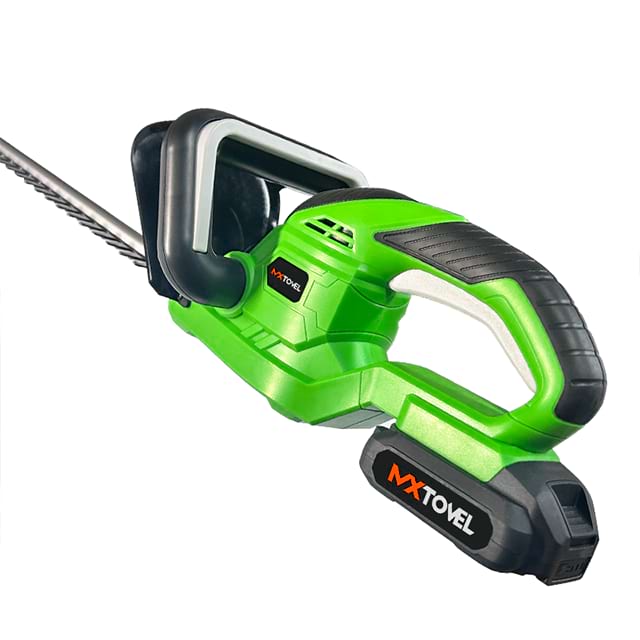
A dull blade can cause a variety of problems. These include:
Sign | Cause | Effect |
Uneven Cuts | Dull blade edge | Jagged or frayed edges on plants |
Increased Vibration | Poorly aligned or dull blades | Decreased stability during trimming |
Motor Strain | Dull blades cause more resistance | Motor works harder, causing overheating |
As the blades dull, the cutting action becomes less efficient, and it takes more effort to cut through branches, which strains the motor. This increased strain can lead to overheating and eventual motor failure.
When using your trimmer for longer periods, consider checking the blade sharpness halfway through the session to ensure optimal performance.
The easiest way to tell if your blades need sharpening is by observing how they perform. Here are some clear signs:
● Difficulty cutting thick branches: If your hedge trimmer struggles to cut through branches that would typically be no problem, this is a sign the blades have become dull.
● Jagged cuts or visible nicks on the blade: When the blade is dull, it won’t create smooth cuts, and you might notice visible damage on the blade itself.
● Increased noise and vibration: If your hedge trimmer is vibrating excessively or making a louder-than-usual noise, it could be a sign of dull blades that need attention.
Regularly checking the blade condition is crucial, especially before major gardening projects, to ensure the trimmer is functioning properly.
Neglecting to sharpen your hedge trimmer blades can result in several negative consequences:
Risk | Cause | Effect |
Overheating | Motor works harder due to dull blades | Potential damage to the motor |
More Frequent Repairs | Dull blades strain the motor | Increased wear and tear |
Poor Cutting Performance | Dull blades don’t cut smoothly | Uneven and jagged cuts on plants |
Not sharpening in time can lead to irreversible damage, such as motor burnout or the need for costly repairs. Dull blades can also harm your plants by making jagged cuts, which can leave them vulnerable to disease.
Tip: Regular maintenance helps extend the lifespan of your hedge trimmer and keeps your garden looking its best.
To maintain your hedge trimmer blades, you’ll need the right tools. Here’s a list of manual sharpening tools you can use:
Tool | Purpose | Advantages |
Files | Used to sharpen blades by hand | Inexpensive, precise, good for light sharpening |
Sharpening Stones | Smooth and sharpen the blade edges | Provides a fine edge, long-lasting results |
How to Use a File:
● Hold the file at a 20-degree angle to the blade.
● File the edge in one direction to avoid damaging the blade.
● Repeat the process for the entire blade.
While using manual tools might take more time, it provides excellent results and is perfect for occasional maintenance.
For quicker, more efficient sharpening, power tools can be used. These tools help achieve consistent results, especially for larger, dual-sided blades:
Tool | Purpose | Best For |
Angle Grinders | Quick sharpening of blunt blades | Professional use or large batches of trimming |
Electric Sharpeners | Power-driven tool for fast sharpening | Ideal for dual-sided blades, less time-consuming |
How to Use an Electric Sharpener:
● Position the blade according to the sharpener’s guide.
● Run the sharpener along the blade in a smooth motion.
● Always check that the blade doesn’t overheat during sharpening.
Electric sharpeners are a great investment for those who need to sharpen their blades quickly and efficiently, especially for larger hedge trimmers.
We recommend using Nanjing Metalwell Machinery Equipment Co., Ltd.'s specialized sharpening equipment for precision maintenance. Our products are designed to provide the best sharpening results, ensuring your hedge trimmer blades remain in excellent condition with minimal effort.
Tip: Invest in a sharpening kit with multiple tools to keep your hedge trimmer blades in top condition at all times.
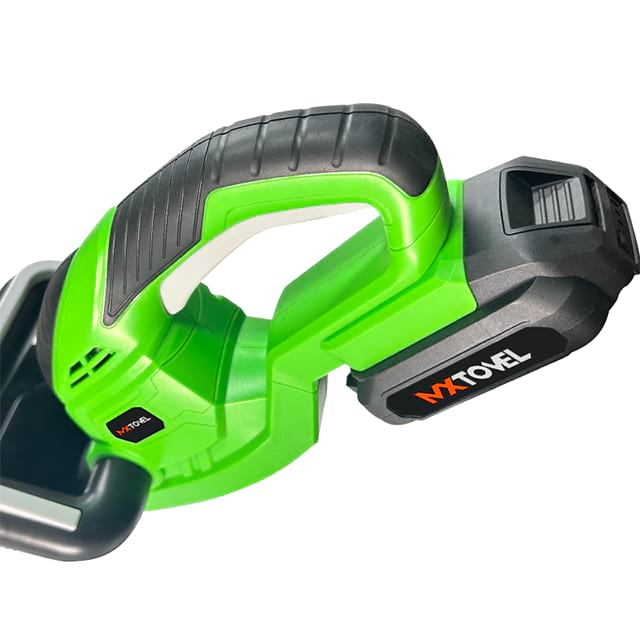
Before you start sharpening, ensure the trimmer is unplugged (if electric) or that the power is off. Remove any dirt or debris from the blade to ensure a smooth sharpening process.
To sharpen the blades manually, follow these steps:
1. Step 1: Hold the file at a 20-degree angle against the blade edge.
2. Step 2: Apply moderate pressure as you push the file in one direction along the edge.
3. Step 3: Repeat the process on both sides of the blade, ensuring an even sharpness.
For a quicker approach, follow these steps when using an electric sharpener:
1. Step 1: Set the blade into the sharpener according to the tool’s instructions.
2. Step 2: Start the sharpener and move it gently along the edge of the blade, ensuring even sharpening.
3. Step 3: Do not press down too hard to avoid overheating the blade.
Once the sharpening is complete, reassemble the hedge trimmer and test it on a small patch of foliage. Check for smooth cuts and minimal vibration.
Here is the expanded version of Section 6: Preventing Blade Dullness: Ongoing Maintenance, with additional details and structure, in Markdown format:
Regular cleaning and lubrication are vital in maintaining the sharpness and overall performance of your hedge trimmer blades. Over time, blades can accumulate sap, dirt, and plant residue, which contribute to corrosion and dullness. Additionally, lack of lubrication can cause friction between the blades, leading to a decrease in performance. Consistent maintenance will not only keep your blades sharp but also reduce the frequency of sharpening required.
Proper cleaning and lubrication are essential steps in extending the life of your hedge trimmer blades. Neglecting these tasks may result in the buildup of plant matter, which can cause the blades to become dull more quickly and may even lead to rust formation. Additionally, lubrication ensures that the blades move smoothly, minimizing wear and tear during operation.
Maintenance Task | Purpose | Recommended Frequency |
Cleaning | Remove sap, dirt, and debris | After every use |
Lubrication | Prevent rust and ensure smooth cutting | Every 5-10 uses |
● Cleaning: After each use, thoroughly clean the blades using a brush or cloth to remove sap, dirt, or plant residue. You can also use water and mild soap if necessary. For stubborn sap buildup, rubbing alcohol or a specialized cleaner can help remove sticky residue.
● Lubrication: After cleaning, apply a light coat of lubricant to the blade, focusing on the cutting edges. This will prevent moisture from causing rust, keep the blades operating smoothly, and reduce friction when cutting. Use a lubricant designed for hedge trimmers or a general-purpose tool oil.
When your hedge trimmer is not in use, it’s important to store it in a safe, dry place. Prolonged exposure to moisture can lead to rust formation, which will not only dull the blades but can also damage the internal components of the trimmer. Similarly, exposing your trimmer to sunlight can cause the blades to lose their sharpness more quickly.
Here are a few storage tips:
● Store in a Dry Place: Keep your hedge trimmer in a garage or shed that is dry and free from moisture. Avoid storing it outdoors, especially in areas prone to rain or humidity.
● Avoid Prolonged Sun Exposure: While storing your trimmer, keep it out of direct sunlight. This will help prevent the blades from becoming brittle and losing their sharpness prematurely.
If possible, hang your trimmer on a wall or keep it in a case to protect it from accidental damage and minimize exposure to the elements.
Choosing durable, high-quality blades can significantly reduce the frequency of sharpening. By investing in blades made from high-carbon steel or other robust materials, you can ensure that your hedge trimmer stays sharp longer. Nanjing Metalwell Machinery Equipment Co., Ltd. specializes in manufacturing long-lasting blades that are resistant to wear and tear, helping you maintain consistent cutting performance and extending the time between sharpening sessions.
Our blades are designed to withstand heavy use, reducing the need for frequent maintenance. Whether you’re using your trimmer for small gardening jobs or large landscape projects, our high-quality blades ensure that your hedge trimmer performs at its best.
Storing your trimmer in a dry, protected area prevents blade corrosion and ensures sharpness when it’s time to use it again.
Sharpening Hedge Trimmer blades is essential for optimal performance and safety. Regular cleaning, lubrication, and proper storage are key steps in prolonging blade life. Nanjing Metalwell Machinery Equipment Co., Ltd. offers high-quality, durable hedge trimmer blades that extend the time between sharpenings, making your trimming tasks easier and more efficient.
A: You should sharpen your Hedge Trimmer blades at least once a season or when you notice a decrease in cutting efficiency, such as difficulty cutting through branches or jagged cuts.
A: Yes, a file is a great tool for sharpening Hedge Trimmer blades, especially for light touch-ups. Hold the file at a 20-degree angle and file in one direction.
A: Excessive vibration often indicates dull or misaligned blades. Sharpen the blades or check for any damage to restore smooth operation.
A: Regular cleaning and lubrication after each use, along with proper storage, can help prevent your Hedge Trimmer blades from becoming dull too quickly.
A: An electric sharpener can quickly restore your Hedge Trimmer blades to sharpness. It’s ideal for frequent use and ensures consistent, efficient sharpening.


