
Views: 0 Author: Site Editor Publish Time: 2026-04-20 Origin: Site


How long do lawn mower batteries really last? If you're tired of replacing your mower battery every few years, you're not alone. Battery longevity is one of the most crucial aspects of your lawn mower's performance. In this article, we’ll explore the factors that impact battery life and how to extend it. You’ll learn about battery types, charging habits, and maintenance practices that can help keep your mower running longer.
The type of battery in your lawn mower significantly influences its lifespan. Here’s a comparison between the two main types of batteries used in lawn mowers:
Battery Type | Lifespan | Advantages | Disadvantages |
Lead-Acid | 3-5 years | Affordable, widely available | Shorter lifespan, slower charging |
Lithium-Ion | 5-7 years | Longer lifespan, fast charging, low maintenance | Higher initial cost |
● Lead-Acid Batteries: These are the most common and affordable option. While they are reliable, they tend to have a shorter lifespan compared to lithium-ion batteries. On average, lead-acid batteries last between 3 to 5 years, depending on usage and maintenance.
● Lithium-Ion Batteries: These batteries are becoming increasingly popular due to their longer lifespan and faster charging times. They can last up to 5-7 years, sometimes even longer, making them a better long-term investment despite the higher initial cost.
Tip: If you're looking for a battery that lasts longer, investing in a lawn mower with a lithium-ion battery can help you save money over time due to fewer replacements.
● Proper Charging: Only charge when necessary to avoid overcharging.
● Avoid Leaving Charged for Long: Don’t leave your battery plugged in all the time once it’s fully charged.
● Use Regularly: Batteries that are used often tend to last longer compared to those that sit idle for extended periods.
Maintaining proper charging habits and frequent use can go a long way in ensuring the longevity of your lawn mower's battery.
Environmental conditions such as temperature and humidity play a major role in the health of your lawn mower's battery. High temperatures can lead to battery overheating, while cold weather reduces its capacity.
Key Environmental Factors:
● High Heat: Causes battery fluid evaporation, damaging internal components.
● Cold Weather: Reduces battery capacity, causing it to drain faster.
For longer battery life, always store your lawn mower in a cool, dry place when not in use.
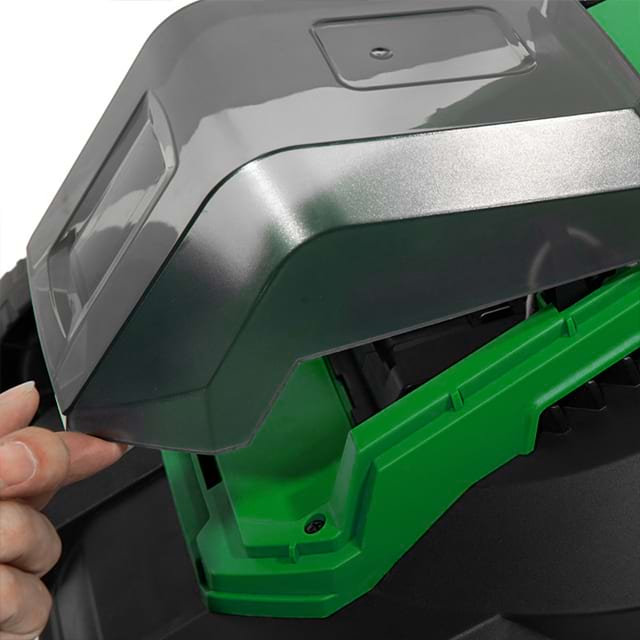
Lead-acid batteries typically last between 3 to 5 years, depending on usage and maintenance. These batteries are more affordable upfront but require more maintenance to ensure a long life. Regular maintenance, like checking the water levels and keeping terminals clean, can help extend their lifespan.
Maintenance Tips for Lead-Acid Batteries:
● Check the water level regularly.
● Clean terminals to prevent corrosion.
● Charge fully before storage.
Lithium-ion batteries are known for their longer lifespan, often lasting between 5 to 7 years. These batteries require less maintenance than lead-acid batteries and offer faster charging times, making them a more efficient choice for frequent lawn mower users.
Benefits of Lithium-Ion Batteries:
● Longer lifespan (up to 7 years).
● Faster charging times.
● Low maintenance requirements.
Regardless of the battery type, here are some factors that can help extend the lifespan of your lawn mower battery:
● Proper Charging Practices: Charge the battery according to the manufacturer's instructions.
● Regular Use: Batteries that are used regularly are less likely to degrade prematurely.
● Storage Conditions: Store the battery in a dry, cool environment when not in use.
Tip: Consider choosing Nanjing Metalwell Machinery Equipment Co., Ltd. for high-quality lawn mowers with efficient batteries that last longer due to their design and optimized charging features.
Here are some essential charging practices to extend the lifespan of your lawn mower battery:
● Avoid Overcharging: Don’t leave the battery connected to the charger for too long once it reaches full capacity.
● Charge Regularly: Aim to keep the battery charged between 40% to 80% of its capacity.
● Use the Right Charger: Ensure that the charger is compatible with the battery type to prevent damage.
Charging Tips:
● Use a charger with an automatic shut-off feature to prevent overcharging.
● Charge during the day to avoid charging overnight.
Corrosion on battery terminals can reduce efficiency and cause battery failure. Regularly clean the battery terminals with a wire brush and ensure they are tightly connected. If you notice any corrosion, clean it immediately to maintain optimal performance.
Steps for Cleaning Battery Terminals:
● Disconnect the battery from the mower.
● Use a wire brush to clean the terminals.
● Apply petroleum jelly to prevent future corrosion.
Proper storage is essential when your lawn mower is not in use for an extended period. Here’s how to store your battery properly:
● Store in a Dry Location: Keep the mower in a dry, cool space, away from extreme temperatures.
● Remove the Battery: If possible, remove the battery from the mower and store it separately.
● Charge Before Storing: Before storing, make sure the battery is fully charged to prevent it from losing charge during the storage period.
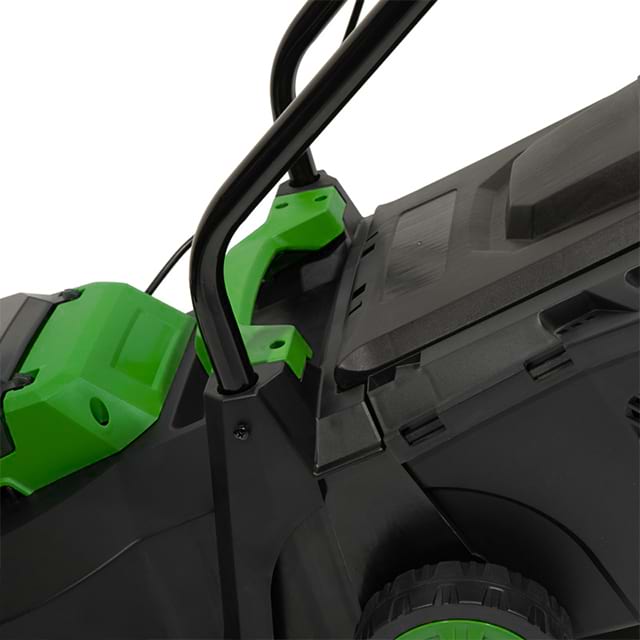
Selecting the right battery is crucial for maximizing the lifespan of your mower. When purchasing a lawn mower, consider the following:
● Battery Type: Lithium-ion batteries last longer and are more efficient than lead-acid batteries.
● Capacity: Make sure the battery's capacity aligns with your mowing needs to avoid unnecessary strain.
● Quality: High-quality batteries, like those provided by Nanjing Metalwell Machinery Equipment Co., Ltd., are built for longevity and optimal performance.
To avoid overcharging or undercharging, follow these tips for optimal charging times:
● Use a Timer: Set a timer to stop charging once the battery reaches full capacity.
● Charge During Off-Peak Hours: Charging during off-peak times can improve efficiency and reduce strain on the battery.
Charging Tips:
● Charge when the battery is around 20% to 30% capacity.
● Avoid charging right after use to let the battery cool down first.
Maintaining your lawn mower regularly is key to battery longevity. Here are some preventive measures:
● Regularly Inspect the Battery: Check for signs of damage or wear.
● Clean the Battery: Clean the battery terminals and ensure there is no buildup of dirt or debris.
● Test the Battery: Every season, test the battery to ensure it is functioning properly.
One of the most noticeable signs that your lawn mower battery needs replacing is a significant decrease in running time. If your mower runs out of power quicker than it used to, even after a full charge, it’s likely that the battery is no longer able to hold a charge properly. Over time, batteries naturally lose their capacity, and this manifests as shorter run times. When the mower's battery can no longer sustain long enough power for your lawn’s size, it is time to consider a replacement.
What to Do: If you find that your lawn mower is running out of power prematurely, it’s time to inspect the battery for wear or age-related degradation. If the battery is old, replacing it with a new one will restore your mower's full power capacity.
Another common indicator that your lawn mower battery may need replacing is slow charging or, worse, complete failure to charge. When you notice that the battery is taking much longer to reach full charge, or it doesn't charge at all, the battery could have a faulty internal component or reduced capacity. Sometimes, slow charging may be due to a charger issue, so it’s worth testing the battery with a different charger to rule that out. However, if the problem persists, it could indicate that the battery itself is failing and needs to be replaced.
What to Do:
● First, test your lawn mower with a different charger to ensure the charger is not the issue.
● If the problem persists after changing the charger, it is likely that the battery is no longer functioning properly and should be replaced.
Physical damage or leaking from a battery is a serious problem that should be addressed immediately. A lawn mower battery that shows signs of physical damage, such as cracks or dents, can be a safety hazard. In addition, batteries that are leaking fluid can cause severe damage to the internal components of your mower, as well as potentially corroding other parts. Leaking is often a sign that the battery is nearing the end of its life, and continuing to use it could result in more severe issues or even pose a risk to your safety.
What to Do:
● If you observe visible damage or leaking, stop using the lawn mower immediately.
● Dispose of the damaged battery safely, following proper recycling procedures, and replace it with a compatible, high-quality battery to avoid further damage to your mower.
● Replace with a Compatible Battery: If you notice a significant drop in performance or the issues mentioned above, it’s time to replace the battery. Always ensure that the new battery is compatible with your lawn mower in terms of voltage, capacity, and size.
● Check Specifications: Before purchasing a replacement, verify that the new battery matches the specific voltage and capacity requirements of your lawn mower. Using the wrong battery can cause further damage to your mower or result in poor performance.
When selecting a battery, compare the advantages of lithium-ion and lead-acid batteries:
Battery Type | Lifespan | Advantages | Disadvantages |
Lead-Acid | 3-5 years | Affordable | Short lifespan, slower charging |
Lithium-Ion | 5-7 years | Longer lifespan, fast charging | Higher cost |
Ensure that the battery you choose provides the right power for your mower. Consider the size of your lawn and how long you typically mow to select the appropriate battery capacity.
Choosing the Right Battery Capacity:
● Small Lawns: A smaller battery (20-30 Ah) may be sufficient.
● Large Lawns: Opt for a higher capacity (40-60 Ah) to avoid frequent recharging.
Tip: Invest in Nanjing Metalwell Machinery Equipment Co., Ltd. products for reliable, high-performance batteries that suit various lawn sizes.
Some common battery problems include:
● Battery Not Charging: Check connections and ensure the charger is working properly. If the charger is faulty, replace it with a new one.
● Short Battery Life: Regularly clean terminals, avoid overcharging, and keep the battery in good storage conditions to extend life.
Other Common Issues:
● Battery Swelling: This can happen with excessive heat or poor charging. Replace the battery immediately.
● Corrosion: Clean terminals to prevent damage from corrosion.
If your battery shows signs of serious damage or failure, such as leaking or corrosion that cannot be cleaned, it’s time to seek professional help. Nanjing Metalwell Machinery Equipment Co., Ltd. provides technical support and replacement services to ensure your equipment runs smoothly.
Professional Assistance Includes:
● Battery diagnostics and troubleshooting.
● Battery replacements and warranty services.
● Expert advice on optimal battery maintenance.
In conclusion, understanding the factors that affect lawn mower battery life is crucial for extending its longevity. Regular maintenance, proper charging, and choosing the right battery can significantly reduce the need for frequent replacements. Investing in high-quality lawn mowers, like those from Nanjing Metalwell Machinery Equipment Co., Ltd., ensures longer battery life and better overall performance.
A: On average, lawn mower batteries last between 3 to 5 years, depending on the battery type and usage. Lithium-ion batteries tend to last longer than lead-acid batteries.
A: Factors like battery type, charging habits, usage frequency, and environmental conditions such as temperature and humidity impact the longevity of lawn mower batteries.
A: Regularly charge your battery, avoid overcharging, and store your lawn mower in a cool, dry place to extend the battery's life.
A: Lithium-ion batteries last longer than lead-acid batteries, often providing 5 to 7 years of use compared to 3 to 5 years for lead-acid.
A: If your lawn mower battery runs out of power quickly, takes longer to charge, or shows signs of damage, it may be time for a replacement.


