
Views: 0 Author: Site Editor Publish Time: 2025-11-28 Origin: Site


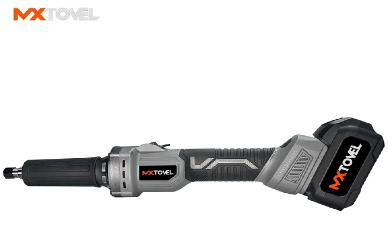
An electric die grinder equipped with carbide burrs is an essential tool for both deburring and shaping in metalworking. Carbide burrs are highly effective for removing burrs, sharp edges, and rough spots left on metal after cutting, machining, or welding. Their durability and hardness make them ideal for heavy-duty tasks, providing a smooth finish and ensuring the safety and functionality of the finished parts. In addition to deburring, carbide burrs are also used for shaping metal surfaces, creating intricate contours, and performing detailed work. Proper use of a die grinder with carbide burrs can significantly improve the precision and quality of your projects. This article will guide you through the process of using a die grinder with carbide burrs, from choosing the right burr to mastering techniques for effective deburring and shaping, ensuring that you achieve optimal results.
Selecting the right carbide burr is crucial for achieving optimal results. The type of burr you choose depends on the specific task you're performing:
For deburring or smoothing edges, a cone or cylinder burr is typically ideal.
For engraving or creating detailed designs, a ball-shaped burr provides better precision.
If you're working on hard-to-reach areas, a small, pointed burr can offer better control and access.
Consider the material you're working with, as well as the type of finish or shape you need, to select the appropriate burr. Make sure it is the right size for the die grinder's chuck.
To properly attach a carbide burr to your electric die grinder:
Turn off the Grinder: Ensure the die grinder is switched off and unplugged or the battery is removed (for cordless models) before handling.
Open the Chuck: Loosen the chuck by rotating it counterclockwise. This will open the grip that holds the burr in place.
Insert the Carbide Burr: Align the shank of the carbide burr with the chuck. Insert the burr fully into the chuck to ensure it fits securely.
Tighten the Chuck: Tighten the chuck by rotating it clockwise to secure the burr in place. Make sure the burr is held firmly, with no wiggle room.
Before turning on the grinder, double-check the burr’s fit:
Inspect the Attachment: Gently tug on the burr to ensure it is firmly secured in the chuck. It should not move or slip out of place.
Check for Defects: Examine the carbide burr for any visible cracks or defects in the material, as damaged burrs can affect performance and safety. Replace the burr if necessary.
Test Spin: With the grinder off, manually rotate the burr (if possible) to ensure it moves freely without obstruction.
Properly attaching and securing the carbide burr ensures both safety and performance, allowing you to achieve the best results for your deburring or shaping tasks.
Before using a carbide burr on metal parts, it’s important to identify the areas that require deburring. Look for sharp edges, rough spots, or jagged sections left behind from cutting, machining, or welding. These burrs are not only a safety hazard but can also affect the proper fit and functionality of parts. Common deburring areas include:
Cut edges of metal sheets or pipes.
Weld seams where excess material has hardened.
Holes drilled through metal where sharp edges may have formed.
Inspect the parts closely under good lighting to ensure you’re targeting the correct areas to remove burrs effectively.
When using carbide burrs, applying the correct amount of pressure is key to achieving optimal results without damaging the material. Too much pressure can cause the burr to overheat, wear out prematurely, or even damage the surface of the workpiece. Here’s how to approach pressure:
Light pressure is generally enough for most deburring tasks, allowing the burr to cut into the material without excessive force.
Apply even, consistent pressure for smooth deburring, especially on delicate or thin metals.
Increase pressure only if you’re removing larger burrs or rough spots, but always do so gradually to avoid gouging the surface.
Proper pressure helps prevent overheating and ensures a clean, smooth finish.
Effective control and precision are crucial for deburring with a die grinder. The way you handle the tool, along with the correct speed settings, will affect the outcome of the task:
Controlled Movements: Use smooth, steady motions with the grinder to guide the burr along the edge or rough area. Back-and-forth motions can help cover the entire surface evenly.
Variable Speed Control: Most electric die grinders feature variable speed settings. Lower speeds (around 10,000–15,000 RPM) are ideal for delicate deburring or finishing work, where precision is key. For heavier material removal, higher speeds (20,000 RPM and above) can speed up the process.
Tool Positioning: Hold the grinder at a slight angle to the work surface for better control and more efficient deburring. Position the grinder so the burr makes consistent contact with the metal.
By using the right pressure, controlling your movements, and adjusting the speed settings appropriately, you can achieve a smooth, clean surface free of burrs, enhancing both safety and the performance of your metal parts.
Carbide burrs are ideal for shaping metal, allowing for precise material removal to create grooves, contours, and custom designs. They are commonly used for:
Grooving: Creating consistent grooves for decorative or functional purposes.
Contouring: Shaping curved or angled edges for custom-fit parts.
Custom Designs: Engraving intricate patterns or carving detailed features into metal surfaces.
Carbide burrs provide the control needed to shape metal with accuracy and efficiency.
To ensure precision and control during shaping, especially in tight or intricate areas:
Steady Hand: Hold the die grinder firmly with both hands for stability and control.
Low Speed: Use slower speeds for better precision and smoother cuts.
Guide Your Work: Move the grinder slowly and steadily, using short back-and-forth motions to prevent over-cutting.
Light Pressure: Apply minimal pressure to avoid gouging the material, letting the burr do the work.
These techniques help maintain accuracy, especially when working on fine details or in confined spaces.
Switch to different carbide burrs depending on the shaping task:
Small Burrs: Use for fine, detailed work or in tight spaces.
Larger Burrs: Ideal for heavy material removal or deeper cuts.
Varied Shapes: Use cone burrs for angled cuts, ball burrs for rounded contours, and cylindrical burrs for flat surfaces.
Choosing the right burr ensures you get the best results for each shaping task.
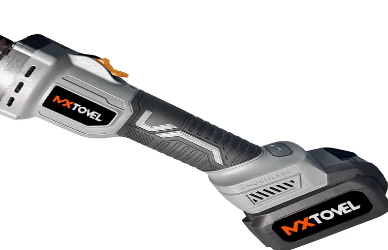
When using an electric die grinder, always wear the proper PPE:
Safety Goggles: Protect your eyes from flying debris and sparks.
Gloves: Wear cut-resistant gloves for hand protection and a better grip.
Dust Masks: Use a dust mask or respirator to protect against harmful dust and particles.
To prevent injury and damage, handle the die grinder with care:
Firm Grip: Hold the grinder with both hands to maintain control.
Steady Movements: Guide the grinder smoothly and apply consistent pressure.
Correct Position: Keep the grinder perpendicular to the surface and avoid placing hands near the moving burr.
A well-organized workspace ensures safe operation:
Clear Area: Keep the workspace clean and free of obstacles.
Adequate Lighting: Ensure good lighting for better visibility and precision.
Ventilation: Work in a well-ventilated space to avoid inhaling dust or fumes.
Stable Surface: Secure the workpiece on a stable surface or vice to avoid movement.
By following these safety precautions, including proper PPE, handling, and workspace setup, you can safely and effectively use your electric die grinder.
Answer: The best carbide burr for deburring metal parts depends on the size and shape of the area you're working on. For general deburring, a cone-shaped burr is often the most effective, especially for removing burrs from edges or corners. If you're working with larger surfaces, a cylindrical burr may be more suitable. Always choose the burr shape that fits the task for the most efficient results.
Answer: Yes, carbide burrs can be used on a variety of materials, including plastic and wood. However, when using carbide burrs on non-metal materials, it's essential to adjust the speed and pressure to prevent damage. Carbide burrs are especially effective for shaping, engraving, or carving in softer materials like wood and plastic.
Answer: Replace your carbide burr when it shows visible signs of wear, such as dulling of the cutting edges or if it no longer performs efficiently. If you notice it’s taking more time or effort to remove material, or if it’s leaving uneven surfaces, it’s time to replace the burr to maintain the quality of your work.
Answer: For deburring with a carbide burr, a medium to high-speed setting (typically around 15,000 to 20,000 RPM) is ideal. This range allows for efficient material removal without excessive heat buildup. Adjust the speed based on the material you're working with—use lower speeds for delicate tasks or thinner metals to avoid damaging the surface.
Using an electric die grinder with carbide burrs can significantly enhance the precision and efficiency of deburring, shaping, and finishing tasks across a variety of materials. By selecting the right carbide burr, maintaining proper speed settings, and ensuring regular replacement of worn-out burrs, you can achieve high-quality results for metal, plastic, and wood projects. Following the guidelines provided, including choosing the correct burr shape for your task and ensuring safe operation with appropriate PPE, will help you get the most out of your die grinder. With the right techniques and tools, you'll be able to complete your tasks with greater speed, accuracy, and safety.


