
Views: 0 Author: Site Editor Publish Time: 2025-11-26 Origin: Site


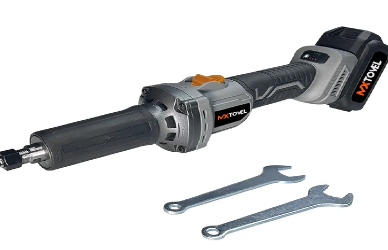
Regular maintenance is essential for maximizing the lifespan and performance of your electric die grinder. Just like any power tool, proper care ensures that your die grinder continues to operate efficiently, delivering optimal results for longer periods. Neglecting maintenance can lead to premature wear and tear, reducing the tool's effectiveness and leading to costly repairs or replacements.
By performing simple maintenance tasks such as cleaning, lubrication, and routine inspections, you can keep your die grinder in excellent condition, ensuring smoother operation, improved precision, and fewer breakdowns. This proactive approach not only enhances the tool’s performance but also helps extend its life, allowing you to get the most out of your investment. Proper care ultimately saves time and money, making regular maintenance a critical part of owning an electric die grinder.
After each use, it’s essential to clean your electric die grinder to prevent the buildup of dust, debris, and grinding residue that can affect its performance. Dust and particles can clog vents and cause the motor to overheat, leading to reduced efficiency and potential damage. Use a clean, dry cloth to wipe down the tool and remove any visible debris. For more thorough cleaning, blow out dust from vents and air inlets using compressed air to maintain airflow and prevent internal parts from clogging.
Proper lubrication of the moving parts of your die grinder is crucial for reducing friction and wear and tear. Regularly lubricating the bearings, spindle, and motor components will ensure smoother operation, minimize heat buildup, and prolong the tool’s lifespan. Be sure to use the appropriate type of lubricant recommended by the manufacturer. Avoid over-lubricating, as excess grease can attract dirt and dust, which may cause damage over time.
Routine inspection is key to spotting early signs of wear or damage before they lead to larger problems. Regularly check critical components such as brushes, bearings, and the chuck for signs of wear or damage. Worn brushes or faulty bearings can lead to poor performance or even cause the motor to fail. Inspect the chuck to ensure it is secure and free of debris to maintain proper accessory attachment and prevent any accidents during use. If you notice excessive wear, replace the parts promptly.
Proper storage of your electric die grinder is just as important as its maintenance. Always store the grinder in a clean, dry place to protect it from dust, moisture, and extreme temperatures. Avoid leaving the tool in direct sunlight or damp environments, as exposure to moisture can cause rust and corrosion. Store it in a toolbox or on a shelf with sufficient airflow to keep the grinder in optimal condition. Additionally, storing the tool with the accessories detached helps prevent any damage to the attachments and maintains their lifespan.
Proper airflow is essential for keeping your electric die grinder running at optimal temperatures. The motor generates heat during use, and if the vents become clogged with dust or debris, it can cause the tool to overheat. Ensure the vents are clear by regularly inspecting and cleaning them to allow proper ventilation. You can use compressed air to blow out any dust or particles that might have built up inside the grinder. Keeping the vents clean not only prevents overheating but also extends the lifespan of the motor.
As part of routine maintenance, regularly check the brushes and bearings for wear. Over time, brushes can wear down from constant friction with the motor, leading to a decrease in performance. If the brushes are worn, they should be replaced to prevent motor damage. Similarly, bearings help the grinder's spindle rotate smoothly, and if they become worn or damaged, it can cause the tool to vibrate excessively or lead to failure. Replace both brushes and bearings as needed to maintain smooth operation and prevent unnecessary strain on the motor.
The chuck holds the accessories (such as grinding bits or polishing pads) in place, and proper care is needed to keep it functioning correctly. Regularly clean the chuck to remove any debris or metal shavings that could interfere with accessory attachment. Also, lubricate the chuck occasionally to ensure a tight and secure fit for accessories. A well-maintained chuck will prevent any slippage or wobbling, ensuring better precision and performance while using the grinder.
Overheating is a common issue that can shorten the lifespan of your electric die grinder. To prevent this, avoid overloading the grinder by using it for tasks beyond its capabilities. Make sure to take regular breaks between sessions, especially during extended use. Allow the tool to cool down to prevent the motor from becoming too hot, which can damage internal components. If you're working on heavy-duty tasks, consider using a grinder designed for such work, or use the grinder in shorter bursts to ensure it doesn't overheat.
If your grinder is losing power:
Check the Power Source: Ensure it's plugged in properly or that the battery is charged.
Inspect the Brushes: Worn-out brushes can cause power loss; replace them if necessary.
Examine the Motor: If brushes are fine, the motor may need repair. Consult the manufacturer for further guidance.
Excessive vibration usually indicates a problem:
Check for Loose Parts: Ensure the chuck and other parts are securely fastened.
Inspect Bearings: Worn bearings can cause vibration; replace them if necessary.
Examine the Accessory: An unbalanced or damaged accessory can cause vibration. Replace it if needed.
To prevent overheating:
Ensure Proper Ventilation: Clean vents to prevent overheating from poor airflow.
Use Breaks: Allow the grinder to cool down by taking regular breaks during extended use.
Check the Motor: If overheating persists, the motor might need repair. Contact the manufacturer for help.
For uneven results:
Check the Accessory: Ensure the accessory is properly attached and not worn.
Inspect the Chuck: A loose or worn chuck can cause uneven results. Tighten or replace if necessary.
Adjust Speed: Experiment with the variable speed settings for a smoother finish.

Knowing when to seek professional help is crucial for maintaining the longevity and performance of your electric die grinder. If you notice issues like motor failure, severe wear on key components, or consistent performance problems despite regular maintenance, it’s time to consult a professional. These issues often require expert diagnosis and repair, as attempting to fix them yourself may lead to further damage or void your warranty.
Signs it’s time to seek help:
The grinder fails to start or loses power completely.
Excessive vibration or grinding noises that cannot be fixed with simple adjustments.
Motor overheating despite taking breaks and maintaining the tool.
When your die grinder faces a significant issue, you may need to weigh the cost of repairing it versus replacing the tool. Repairs are often a cost-effective option for minor or medium issues, like replacing worn brushes or bearings. However, if the motor is damaged beyond repair, or if the tool is significantly aged, replacement might be the more economical choice. Generally, if repair costs exceed 50% of the cost of a new tool, it’s worth considering a replacement.
Cost considerations:
Repair is usually more cost-effective for minor issues (e.g., replacing brushes, bearings).
Replacement might be a better option for major failures or when the grinder is near the end of its lifespan.
For any serious repairs or if your grinder is still under warranty, it's essential to take it to an authorized service center. These centers have trained technicians familiar with your tool’s specific brand and model, ensuring that repairs are done correctly. Using unauthorized repair services or attempting DIY repairs can risk voiding your warranty or causing more harm than good. Always check the manufacturer's guidelines for approved service centers.
Benefits of using an authorized service center:
Expert repairs from certified technicians.
Warranty protection if the tool is under warranty.
Quality parts and tools used for repairs, ensuring longevity and performance.
You should clean your electric die grinder after every use to remove dust and debris. Regular cleaning ensures smooth operation and prevents overheating.
Signs include loss of power, strange noises, overheating, or the grinder failing to start. These issues may indicate the motor is damaged and needs replacement.
Ensure vents are clear, avoid overloading the tool, and take breaks during extended use. Proper maintenance and using the tool within its limits can prevent overheating.
You can replace bearings and brushes yourself if you're familiar with the process. However, for more serious damage or if unsure, it's best to seek professional help to avoid further issues.
Proper maintenance and timely troubleshooting are essential for keeping your electric die grinder running efficiently and extending its lifespan. Regular cleaning, lubrication, and inspection of key components like brushes and bearings can help prevent common issues such as overheating and power loss. By addressing problems early and knowing when to seek professional help, you can ensure your grinder performs at its best. Remember to follow the manufacturer's guidelines for maintenance, and don’t hesitate to consult experts when needed to keep your tool in optimal condition for all your precision tasks.


