
Views: 0 Author: Site Editor Publish Time: 2025-10-27 Origin: Site


In the modern woodworking and construction industry, cordless miter saws have become indispensable tools. Their portability, flexibility, and ease of use have transformed how professionals and DIY enthusiasts approach cutting tasks. However, one of the most common challenges users face is managing battery life effectively. A depleted battery can halt projects, reduce efficiency, and even affect the quality of cuts.
Maximizing battery runtime is not just about convenience—it directly impacts productivity, cost-effectiveness, and the overall longevity of the tool. Understanding how batteries function, implementing proper usage techniques, and selecting the right equipment are critical steps for anyone seeking to get the most out of their cordless miter saw. Proper battery care can also reduce long-term costs by preventing early battery degradation and minimizing the need for frequent replacements. By following the strategies outlined in this guide, users can ensure optimal performance, improve workflow efficiency, and extend the life of both the battery and the tool itself.
Cordless miter saws rely on high-performance batteries that provide power and portability. There are several battery types commonly used:
Lithium-Ion (Li-Ion): This is the most widely adopted battery type in modern cordless saws. Li-Ion batteries offer high energy density, lightweight design, minimal memory effect, and a relatively consistent voltage output throughout the charge cycle. They are highly suitable for professionals who require reliable power, longer runtime, and low maintenance.
Nickel-Metal Hydride (NiMH): NiMH batteries are less common but still used in some mid-range models. They provide moderate energy capacity but are heavier than Li-Ion batteries. These batteries may develop memory effects if not properly maintained, which can reduce runtime over time.
Older Battery Types: NiCd or lead-acid batteries may still appear in older models, but they are largely outdated. These batteries are heavier, have lower energy density, and require more frequent maintenance. Understanding the differences between these battery types is key to maximizing runtime and performance.
Battery choice impacts not only runtime but also overall saw performance, weight distribution, and user comfort. Selecting a high-quality, compatible battery ensures efficient cutting and long-term tool reliability.
The battery’s voltage (V) and capacity (Ah) directly influence the cutting performance and runtime of a cordless miter saw. Higher voltage batteries allow the saw to maintain blade speed when cutting dense or thick materials, while batteries with higher ampere-hour ratings support longer continuous operation without recharging.
A low or partially charged battery can lead to reduced torque, slower cuts, and inconsistent blade performance. In some cases, running a saw on a weak battery may put additional strain on the motor, potentially shortening its lifespan. Maintaining optimal battery health ensures that your cordless miter saw delivers consistent torque, speed, and precision, even during prolonged projects. Regularly monitoring battery performance and following recommended charging practices are essential for achieving the best results.
Battery maintenance starts with proper charging routines. Applying correct practices significantly extends battery life and efficiency:
Avoid Overcharging: Leaving batteries connected to the charger after they are fully charged can degrade cells over time. Using chargers with automatic shut-off features helps prevent overcharging and ensures safety.
Avoid Deep Discharging: Completely draining a battery before recharging can harm the cells. It is recommended to recharge when the battery reaches approximately 20–30% capacity.
Use Manufacturer-Recommended Chargers: Chargers provided or approved by the manufacturer ensure correct voltage and current, preventing potential damage from incompatible third-party chargers.
Storage for Long-Term Use: For batteries that will not be used for extended periods, store them partially charged in a cool, dry environment to preserve capacity and prevent chemical degradation.
Implementing these charging strategies can dramatically improve the longevity of the battery and maintain consistent saw performance over time.
How a cordless miter saw is operated can significantly impact battery runtime:
Avoid Prolonged High-Load Cutting: Continuous heavy cutting generates heat and drains the battery faster. Breaking tasks into shorter intervals or rotating usage between batteries can reduce strain.
Use Appropriate Blades: Using the correct blade for the material being cut reduces motor resistance, allows smoother cuts, and conserves battery energy.
Minimize Idling: Avoid running the saw at full speed when not actively cutting. Even short periods of idle operation consume significant battery power.
Plan Workflow Efficiently: Organizing cuts and minimizing unnecessary starts and stops ensures the battery is used efficiently and reduces energy waste.
By applying these operational strategies, users can maximize both runtime and the overall effectiveness of their cordless miter saw.
Temperature has a major effect on battery performance:
Optimal Operating Temperature: Lithium-ion batteries perform best between 20°C and 25°C (68°F – 77°F). Extreme temperatures can reduce efficiency and capacity.
Prevent Overheating: Extended heavy use in hot environments can accelerate battery degradation. Allow periodic cooling breaks during long or intensive projects.
Cold Weather Precautions: Low temperatures can temporarily reduce battery output. Keeping batteries warm before use or operating in sheltered areas helps maintain efficiency.
Maintaining batteries within recommended temperature ranges protects their chemical stability and extends overall lifespan.
Routine maintenance of both the battery and the tool is critical:
Clean Battery Contacts: Dust, debris, or oxidation on battery contacts can reduce power transfer and efficiency. Cleaning with a dry cloth regularly ensures optimal connection.
Inspect Components: Check brushes, connectors, and other parts for wear and replace them according to manufacturer instructions.
Proper Storage: Avoid leaving batteries in the tool for extended periods when not in use, which can cause slow discharge or degradation.
Consistent maintenance ensures your cordless miter saw operates reliably and preserves battery health.
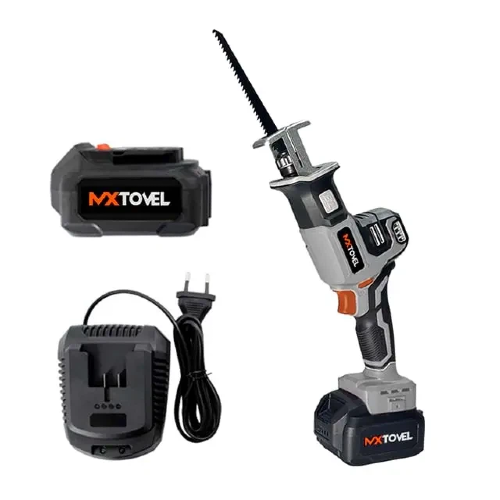
Selecting the correct cordless miter saw and battery combination is essential for achieving optimal runtime, cutting efficiency, and overall performance. The right pairing not only ensures smoother, more precise cuts but also minimizes interruptions during demanding projects. When choosing a saw and battery, several key factors should be considered:
Feature | Recommendation |
Battery Capacity | High Ah lithium-ion batteries for extended runtime |
Motor Type | Brushless motors for increased efficiency and reduced drain |
Swappable Batteries | Enables continuous work by rotating batteries |
Voltage Selection | Higher voltage (36V+) for heavy-duty tasks |
Brand Reliability | Trusted brands provide consistent quality and safety |
Battery Capacity plays a critical role in determining how long you can work without recharging. Choosing high-capacity lithium-ion batteries ensures extended runtime and stable power output. Motor Type is equally important; brushless motors are more efficient, generate less heat, and reduce unnecessary battery drain, which helps maintain performance during intensive cutting.
Swappable Batteries allow for uninterrupted workflow by enabling users to rotate charged batteries when one runs low. Voltage Selection should align with the type of material and task intensity, with higher voltage batteries providing the necessary torque for thicker or denser materials. Finally, Brand Reliability guarantees consistent performance, safety, and long-term durability, ensuring that both the saw and battery deliver dependable results.
By carefully considering these factors, users can maximize their cordless miter saw performance, enjoy longer cutting sessions, and achieve precise, efficient results for both professional and DIY projects.
Avoiding common mistakes is crucial to preserving battery longevity:
Using Incompatible Chargers: Third-party chargers may deliver incorrect voltage or current, damaging the battery.
Extreme Temperature Exposure: Both heat and cold can degrade battery performance and lifespan.
Ignoring Manufacturer Guidelines: Neglecting recommended maintenance, storage, and charging routines accelerates capacity loss.
Overloading the Saw: Forcing the saw to cut materials beyond its rated capacity increases motor strain and accelerates battery depletion.
By recognizing and correcting these mistakes, users can maintain both saw performance and battery health.
Professionals can employ advanced strategies to maximize cordless miter saw efficiency:
Rotating Multiple Batteries: Having spare batteries allows uninterrupted work and prevents waiting for recharge cycles.
Monitor Battery Charge: Built-in indicators or smart battery management systems help track power levels and plan work efficiently.
Replace Aging Batteries: Over time, all batteries lose capacity. Replacing them before noticeable performance drops ensures consistent operation.
Smart Tool Integration: Some modern systems adjust motor output based on load, optimizing energy usage and extending battery life.
These advanced practices help professional users maintain productivity while extending battery and tool lifespan.
Proper battery management, efficient operational habits, and selecting the right cordless miter saw and battery are key to maximizing runtime, performance, and overall cutting efficiency. By following best practices—including correct charging routines, temperature management, and routine maintenance—users can enjoy longer battery life, more consistent cutting precision, and reduced downtime during projects.
For those seeking reliable, high-quality cordless miter saws or professional-grade power tools, Nanjing Metalwell Machinery Equipment Co., Ltd. offers an extensive range of durable and high-performance solutions. Their products are designed to meet the needs of both DIY enthusiasts and professional carpenters, providing precision, efficiency, and long-lasting performance. The Metalwell team is ready to provide expert guidance, detailed product information, and tailored OEM/ODM solutions to ensure you find the perfect tools for your projects. Whether you are looking to enhance productivity, extend battery life, or invest in reliable equipment, Metalwell can help you make informed decisions and achieve superior results. Contact them today to learn more about their cordless miter saws and explore how their solutions can optimize your workflow and project outcomes.


